Old stumps have a way of fading into the background—until you trip over one, can’t get the mower through, or notice fresh shoots popping up where a tree used to be. In Inner Melbourne, where blocks are smaller, access is tighter, and gardens often sit right up against fences, a stump can be more than an eyesore. It can be a lingering obstacle that complicates everything from re-turfing to paving.
The good news: removing a stump doesn’t always mean digging up half the yard. For many properties, grinding is the most straightforward path to a level surface you can actually use again. Here’s what stump grinding is, what it isn’t, and how to choose a team that won’t turn a simple job into a messy saga.
Why stumps become a bigger deal over time
A stump is rarely “just wood.” Even after a tree is removed, the remaining stump and root flare can:
Create a persistent trip hazard (especially when grass grows over the edges)
Get in the way of mowing, edging, landscaping and drainage work
Attract insects and decay organisms that prefer dead timber
Keep sending up suckers or regrowth in some species
These are common reasons stump grinding is recommended after removals—both for safety and for making the space usable again—so working with a local team for removing old stumps in Inner Melbourne can help ensure the area is cleared properly and efficiently.
What stump grinding actually does (and what it leaves behind)
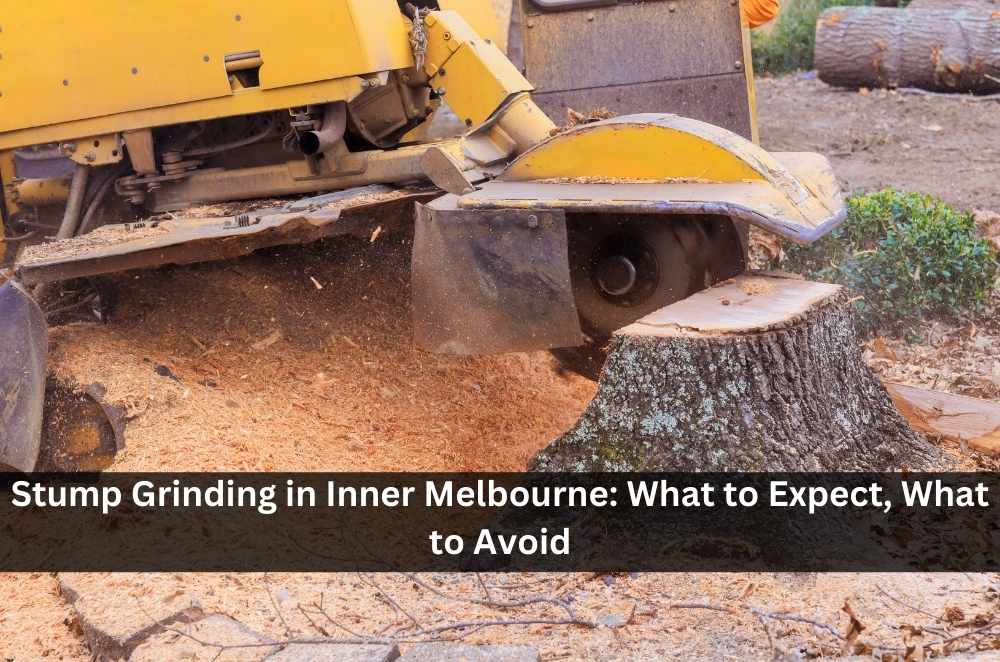
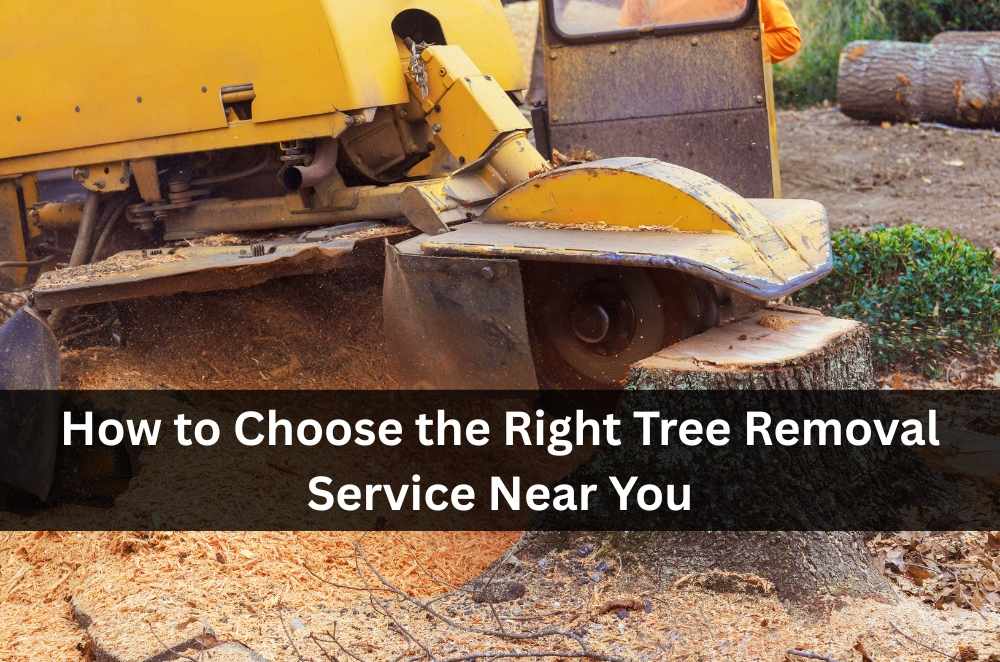
Stump grinding uses a purpose-built machine with a rotating cutting wheel to shred the stump down below the soil line. Practically, that means the visible stump disappears and the top portion of the root crown is reduced into wood chips.
Two important clarifications:
Grinding isn’t “full root removal.” The larger root system remains in the ground and decomposes over time. That’s normal, and in many cases it’s preferred because it avoids major excavation.
Depth matters for what you plan next. A shallow grind may be fine for lawn. If you’re paving, replanting, or building garden beds, you’ll want the stump ground sufficiently below grade for your intended finished level.
Inner Melbourne realities that change the job
Inner-city and inner-suburban sites aren’t like open-backyard blocks. A “simple” stump can become tricky when you’re dealing with:
Tight access and shared driveways
Many stump grinders can be brought through side access, but not all. Narrow paths, steps, soft ground, and sharp turns can limit machine size—and machine size can affect efficiency. A good operator will plan access to reduce damage to lawns, pavers and edging.
Proximity to fences, retaining walls and footings
Stumps near boundaries (or where a tree grew close to a structure) can have roots that run under fences, paths, or slabs. Grinding can remove the stump without disturbing those structures, but the operator should still assess what’s nearby before starting.
Underground services
Inner Melbourne properties are often dense with services—water, gas, electrical, NBN, irrigation, even old garden lighting runs. Before grinding, a competent team will consider what might be underground and manage the risk appropriately.
When DIY stops being worth it
Hiring a grinder can look tempting—until you factor in transport, protective gear, learning curve, and the very real risk of hitting hidden rocks, metal, or services. Stump grinders are powerful machines; misuse can cause injury or property damage. If you’re not experienced, it’s usually safer to engage trained operators who work to established safety practices.
How to pick a local team without getting burned
“Local” isn’t just about a postcode—it’s about whether a team regularly works in the same kinds of sites you have (tight access, small blocks, established landscaping). When comparing providers, look for signs of a methodical process:
1) A clear site assessment
The job should start with basic questions: stump size, species (if known), access width, slope, nearby structures, and your plan for the area afterwards. Many issues are avoidable if they’re spotted early.
2) A plan for containment and clean-up
Grinding produces chips and dust. A careful operator will contain debris where practical and leave the surface in a condition that matches your next step (lawn, garden bed, paving base preparation).
3) Safety standards that sound like more than marketing
Look for language that reflects actual practice: barriers around the work zone, PPE, equipment suited to the site, and attention to environmental handling of debris. The Yard, for example, describes using professional grinding equipment and aligning work practices with Australian safety standards guidance referenced via Safe Work Australia.
4) Straight talk about what happens next
Good operators explain the “after”: soil settling, how to handle the chips, whether regrowth is likely, and when it’s sensible to top up soil before laying turf or planting.
What happens after the stump is ground
Once the stump is below grade, you typically have a shallow crater filled with a mix of soil and chips. What you do next depends on your goal:
For lawn: chips usually need to be removed or diluted with soil; then topsoil is added and levelled before turf/seed.
For planting: many gardeners remove the bulk of chips (they can rob nitrogen as they break down) and backfill with suitable soil/compost.
For paving or decking supports: the area may need additional excavation and compaction to reduce future settling.
If you’re planning hardscaping, timing matters. Grinding after you’ve installed paving or edging can be awkward and may limit machine access, which is why stump work is often done early in a renovation sequence.
Grinding vs full stump removal: how to decide
Grinding is often the practical choice when you want minimal disturbance. Full removal (excavation of stump and major roots) may make sense when:
You’re doing significant construction right where the stump sits
You need to remove major roots that are actively damaging a structure
You’re regrading the site and already bringing in excavation equipment
For many households, though, grinding is the cleanest middle path: the hazard goes away, the surface becomes usable, and the garden doesn’t need to be torn up in the process.
A practical starting point if you’re comparing providers
If you’re weighing up options for an Inner Melbourne block, it helps to read a provider’s process details end-to-end (not just the headline claims). One example is this overview of stump grinding services.
Key Takeaways
Stumps can create long-term safety and maintenance problems, not just cosmetic ones.
Grinding removes the visible stump below ground level without major excavation.
Inner Melbourne sites add complexity: tight access, boundary proximity, and dense underground services.
A good operator will assess the site, contain debris, explain aftercare, and work to credible safety practices.
Plan stump work early if you’re renovating—access and sequencing can save headaches later.



Write a comment ...