
First summer storm of the year, a limb snapped over our driveway. No damage, just that uneasy creak you feel in your ribs. We didn’t rush to call the loudest ad; we stepped back and made a short list—access, power lines, lean, species. From there, it was easier to weigh skills against risk, not just price. That’s the quiet test I use now: can a crew explain the plan in plain language and match tools to the site? That’s the lens I’ll use here, with a nod to the best tree removal service—a phrase that, used neutrally, simply describes what many homeowners try to find when the wind has had its say.
Reading your site before anyone starts
A careful walk-around beats guesswork. Two sentences, a tape measure, and five minutes often save a day of backtracking.
Access width: Gate openings, tight carports, and shared driveways change what machinery can realistically enter.
Overhead hazards: Service lines, low eaves, and brittle verandahs alter climbing paths and rigging angles.
Ground conditions: Sprinklers, pavers, and soft soil affect outrigger placement and the risk of ruts.
Fall zones: Fences, sheds, and glass make controlled, section-by-section removal the safer default.
Those notes form the backbone of a scope. When you share them, quotes get cleaner, and crews can talk through the sequence rather than winging it.
How to compare quotes without the guesswork
Two lines on a page—“remove tree, take away waste”—won’t tell you enough. Ask for the method, the crew size, and what happens if the weather turns.
Work method: Climbing and rigging, EWP use, or craned sections each carry different costs and impacts on your property.
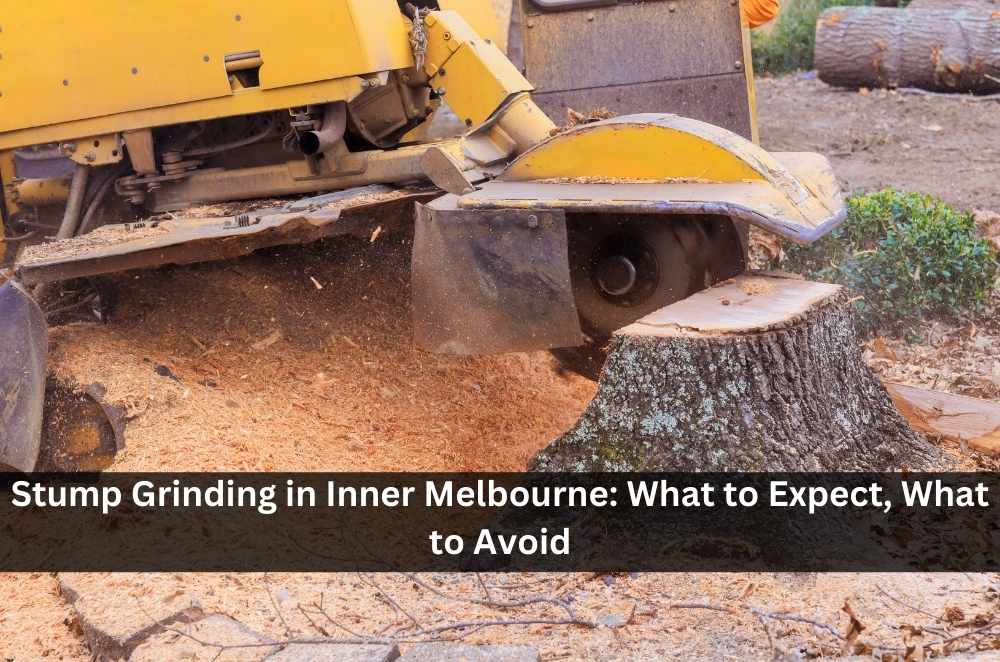
Stump approach: Grinding depth, chip retention, and root-chase plans change the finish and future planting options.
Debris management: Chipping on-site, carting, or mulching for your beds influences noise windows and site traffic.
Contingencies: Wind thresholds, rain delays, and alternate access routes reduce surprises on the day.
Suppose a quote explains the “how,” you can compare like-for-like rather than cheapest-to-mysterious. That’s where value becomes visible, not just the number at the bottom.
Signs your tree should be assessed soon
You don’t need to be an arborist to notice when a tree’s story is changing. A few patterns are worth attention, especially after a wet spring or a dry snap.
Movement and lean: Fresh tilts, heaving soil at the base, or roots lifting pavers point to anchor instability.
Crown health: Thinning foliage, deadwood concentrating on one side, or sudden epicormic shoots flag stress.
Wounds and decay: Fruiting bodies, soft spots, and cavity growth suggest internal compromise beyond cosmetics.
Target risk: Branches directly over paths, play areas, or parked cars raise the stakes even for minor defects.
In plain terms, these are signs that you need a tree removal when they combine—defect plus target—rather than in isolation. An experienced crew can separate urgent from manageable and talk through alternatives like weight reduction or staged work.
Working with rules that affect removal
Trees sit inside rules that vary by place. Navigating those early avoids fines, delays, and awkward conversations with neighbours.
Permit triggers: Height, trunk diameter at chest height, or species lists often decide whether approvals are required.
Protected features: Habitat hollows, waterways buffers, and heritage overlays add extra steps and timing.
Evidence needed: Photos, simple site maps, and defect notes usually support sensible permit decisions.
Post-work duties: Replanting conditions, debris disposal rules, and verge care keep everything tidy after the job.
Local councils publish a policy about trees that lays out thresholds and exemptions in clear terms. Reading the relevant section helps you align the scope and scheduling with what’s actually allowed, not what someone hopes will slide.
What “professional” looks like on the day
On-site, competence looks calm. No panic, no shouting over problems—just measured steps, spotters who actually spot, and tidy edges as they go.
Briefing and roles: A lead climber or supervisor explains the sequence, assigns ground tasks, and confirms a stop word.
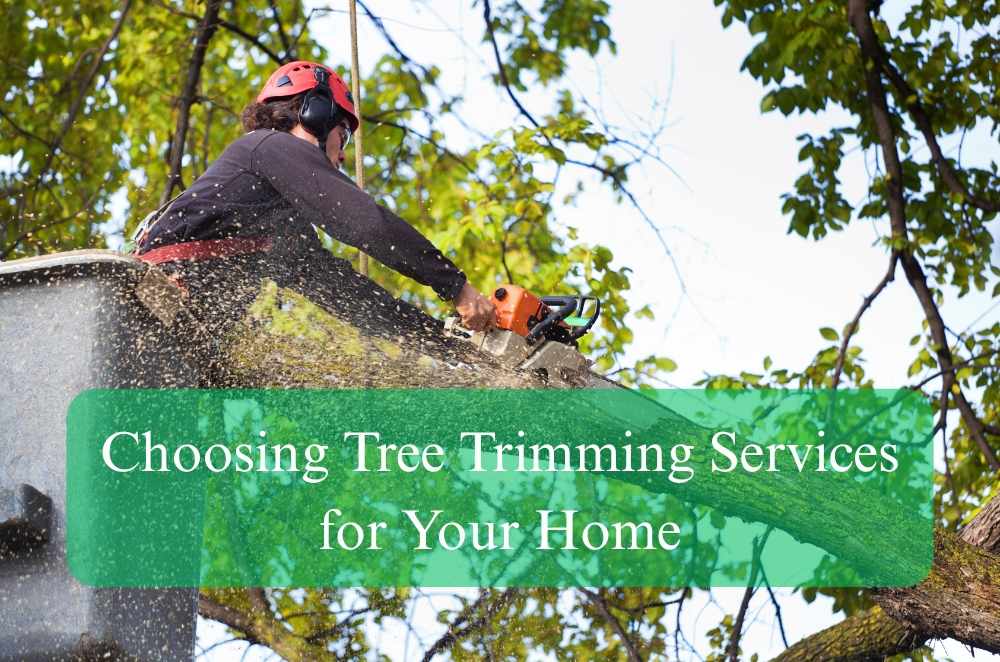
Rigging discipline: Rated gear, predictable lowering, and controlled swings protect gutters, fences, and tempers.
Tool etiquette: Saw checks, sharp chains, and clean fuel handling keep cuts true and underfoot safe.
Site respect: Mats under outriggers, trunk pads against walls, and swept verges show attention beyond the stump.
There’s nothing flashy in that list—just habits you’ll see with professional tree removal and stump grinding services from The Yard, where safety margins aren’t a debate, they’re baked in.
Budget factors that actually move the price
Numbers settle once variables are visible. Break them into buckets and you’ll understand why one quote stretches higher than another.
Complexity: Tight access, multiple tie-in points, and close targets require more time and more hands.
Volume and disposal: Green waste weight, chip size, and carting distance shape tipping fees and time lost to travel.
Special equipment: Crane booking windows, traffic control, or EWP hire adds fixed costs regardless of tree size.
Finishing choices: Stump grind depth, surface backfill, and tidy-up standards turn a quick job into a complete one.
When a quote accounts for those elements, you can choose the version that suits your property and your week, not just your wallet.
Safety markers you can see from the footpath
Safety isn’t a certificate on an office wall; it’s behaviour you can witness in ten minutes.
Clear drop zones: Cones, tape, or ground staff keep pedestrians out of harm’s way without being theatrical.
Communication: Hand signals, radios where noise is high, and repeat-backs prevent the classic “I thought you meant…” moments.
Tool staging: Bar covers, chain brakes, and fuel separation show care that carries through the whole job.
Weather calls: Sensible wind limits and honest postponements beat bravado when gusts gust.
I’ve stood in driveways where good crews turned up, paused for wind, and rescheduled without drama. Annoying that day, sure. Safer tomorrow.
A quick case from the verge
A neighbour’s pepper tree began leaning after a week of rain. The canopy looked fine, but the soil at the base had started to heave on the high side—subtle, like a blanket pulled up. We walked the access, measured the side gate, and realised a large machine would chew the lawn and still miss the drop zone by a metre. The crew proposed a climb-and-rig sequence over two mornings to work inside wind windows. They flagged one limb crossing above a windowed walkway as the critical swing, padded the frame, and staged a ground spotter. The finish included a shallow grind—there were irrigation lines close by—and chip removal to avoid sour mulch near the entry. Two weeks on, the path felt open again. No heroic machines, no last-minute scrambles—just clear method, steady pacing, and respect for where the tree stood.




Write a comment ...